

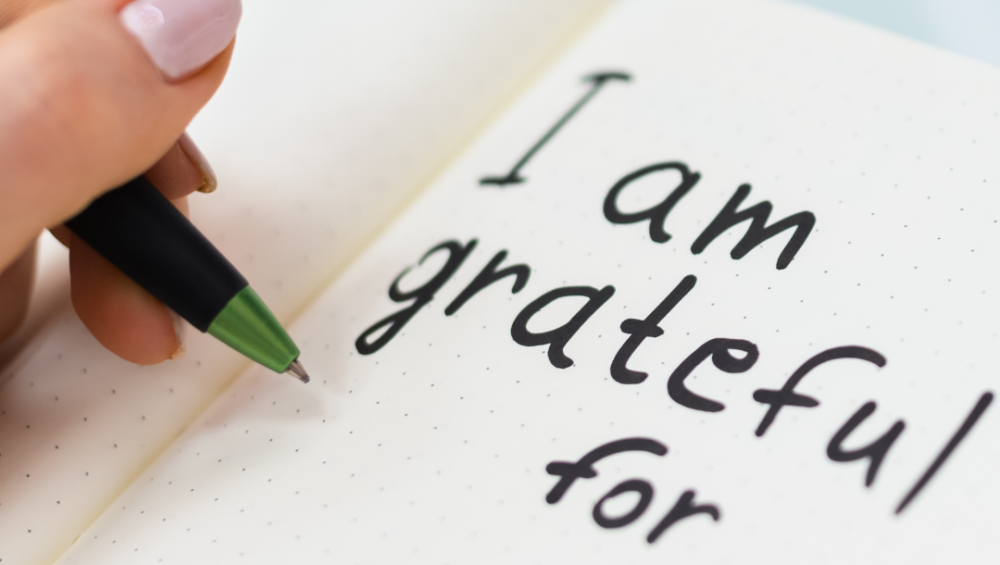
Research shows that gratitude isn't just a pleasant feeling—being grateful actually supports our health, relationships, and happiness. While it may seem simple, it actually has a profound impact on the way our minds and bodies function.
What is gratitude?
Gratitude isn't just an emotion, but a way of looking at the world. It's more than just joy that certain things are going our way. It's a willingness to expand our attention to see more of the good we constantly receive—from other people, from life, and sometimes simply from the fact of existing.
Gratitude means consciously noticing and appreciating the good, rather than focusing solely on what we lack. In this sense, it is a daily choice—a decision to see wholeness, not lack.
Gratitude and health
Numerous studies confirm that practicing gratitude brings measurable benefits in almost every area of life—mental, emotional, and physical. The emotion of gratitude activates the hippocampus and amygdala, two main brain regions responsible for regulating emotions, memory, and bodily responses. As a result, gratitude acts as a natural antidepressant. When expressing or experiencing gratitude, our brain releases serotonin and dopamine—neurotransmitters responsible for well-being. Regular practice strengthens these neural pathways, which over time leads to a lasting, positive outlook on life.
Research also shows that people with higher levels of gratitude: suffer fewer headaches and insomnia, have lower blood pressure, and more easily activate the parasympathetic nervous system, responsible for relaxation, regeneration, and balance. Furthermore, grateful people are more likely to pay attention to sleep, nutrition, and physical activity. Gratitude also strengthens relationships, motivates self-development, and fosters kindness toward others.
How to practice gratitude?
Gratitude is more than just a momentary feeling of gratitude for a gift or a kind gesture. It's a daily practice that teaches mindfulness. Research on written forms of gratitude—such as gratitude lists or journals—shows that regularly recording positive experiences increases self-esteem, improves mood, and supports healthy habits.
A Morning Moment of Gratitude
Before you reach for your phone or get out of bed, think of three things you're grateful for. It could be a warm blanket, the smell of coffee, the sun shining through your window, or simply a new day ahead. This simple ritual will set the mood for the entire day.
Gratitude Journal
Every day, write down 3-5 things you appreciate in a notebook. They don't have to be spectacular—honest and attentive to detail are key. Over time, you'll notice your mind will begin to find positive moments on its own.
Stop in the moment
Throughout the day, stop for a few seconds and ask yourself, „What can I be thankful for right now?”
It could be the warmth of your hands, the taste of tea, or the silence around you. This simple exercise teaches you to be present and grateful for the here and now.
Evening Ritual of Appreciation
Before you fall asleep, recall three good things from your day. Don't analyze them—just feel grateful. This ritual helps you fall asleep more peacefully and end the day feeling lighter.
Express gratitude to others
Say "thank you" to someone—not out of politeness, but with thoughtfulness. Write a short message of gratitude to someone close to you or someone you haven't seen in a while.
Gratitude strengthens relationships and gives both parties a sense of value.
Gratitude towards yourself
Don't forget about yourself. Say:
„I thank myself for trying.”
„Thank you for taking care of yourself.”
„Thank you for not giving up.”
Gratitude towards yourself is tenderness instead of criticism – a source of peace, acceptance and inner strength.
Summary
Gratitude can become a practice that transforms the way we perceive the world and ourselves. Practicing it regularly improves our mood, health, and relationships. It teaches us to see the bigger picture, to see the good, and to face difficulties with greater resilience. Gratitude doesn't eliminate problems, but it gives us a new perspective—one from which we see that even in difficult times, there's always something to be thankful for.
***
More:
The Science of Gratitude
Gratitude O. Sacks
Gratitude: The Cheapest Ticket to Happiness by L. Larsson
***
Author: Joanna Niewolik
