
Readiness begins before collection.

Donate 1.5% tax. KRS: 0000414091

CategoriesKnowledge base

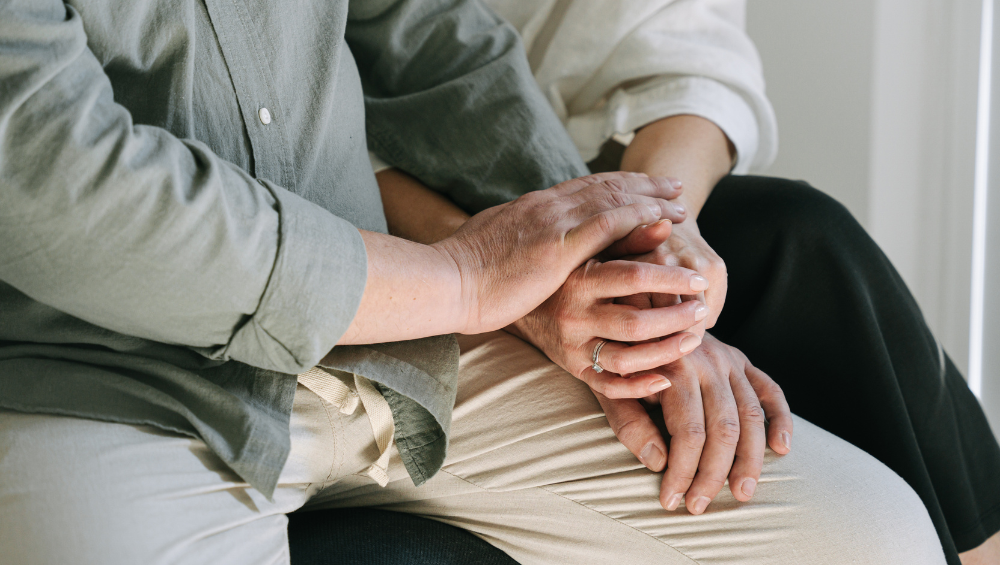
When everyone is afraid in their own way

O chorobie w rodzinie, różnych sposobach radzenia sobie i bliskości, która czasem się rozmija Choroba nowotworowa nigdy nie dotyczy wyłącznie jednej osoby, nawet jeśli to jedna osoba słyszy diagnozę, przechodzi badania i leczenie. Choroba bardzo szybko wchodzi także w obszar relacji: między partnerami, rodzicami i dziećmi, rodzeństwem, dorosłymi dziećmi i starzejącymi się rodzicami. Zmienia rytm […]

CategoriesKnowledge base

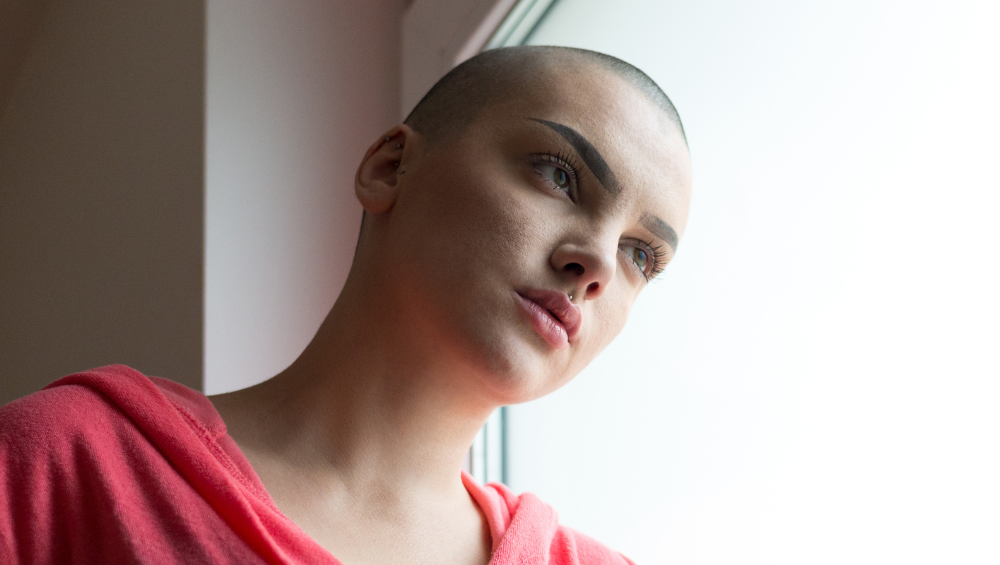
Feeling of guilt in illness

Cancer rarely affects only the body. Even when treatment focuses on test results, consultations, therapy, pain, or side effects, another, less visible dimension often looms in the background: the way a person begins to think about themselves. Not every person with cancer experiences guilt, but it's worth discussing this phenomenon, because when […]

CategoriesKnowledge base

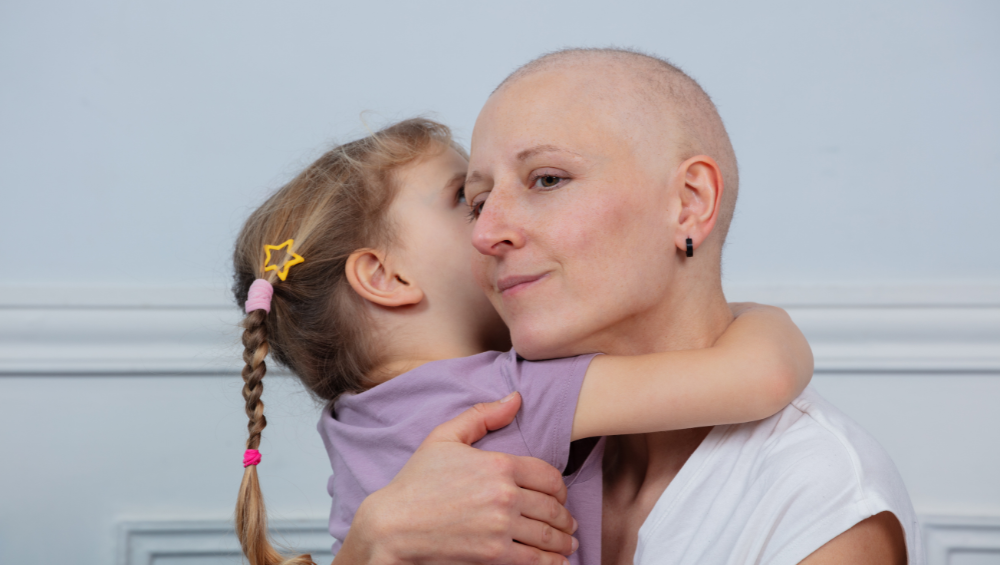
„"Mom, Dad, what's going on?" - or how to talk to a child about a parent's cancer

Talking to a child about a parent's cancer is one of those conversations no one wants to have. Many adults say, "I don't know what words to use," "I'm afraid I'll scare them," "I don't want to take away their childhood," "Maybe it's better not to say anything." These fears are understandable—a parent facing their own diagnosis, anxiety, […]

CategoriesKnowledge base

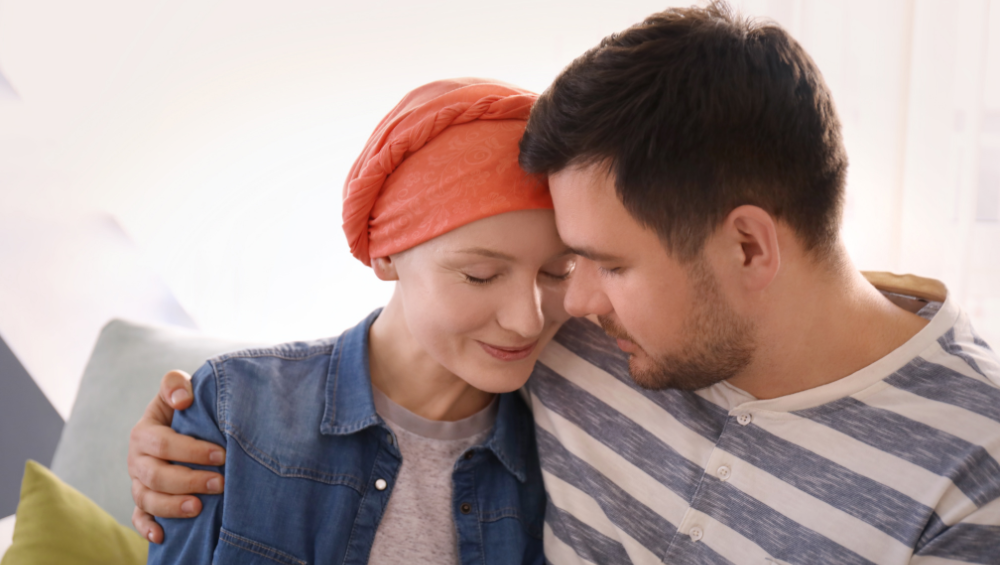
Support that doesn't take away your influence. How to help without taking away your agency.

Cancer often triggers a need for action in loved ones. When someone we love is ill, it's difficult to simply stand by. We want to do something, organize, expedite, supervise, learn more, protect, make decisions, relieve them of at least some of their burden. Simply... help. This impulse is often filled with love, fear, and helplessness. The problem arises when […]

CategoriesKnowledge base

Returning to work after cancer treatment. How to return to everyday life without the pressure of everything going back to "the way it used to be.".

Returning to work after cancer treatment is often seen as the end of a difficult phase. Treatment is over, the results are stable, the doctor allows the patient to return to activity, so the people around them say with relief, "Great, now everything will be normal." For many people, work is indeed an important step towards daily life. It provides rhythm, a sense of agency, social contact, financial security, […]

CategoriesKnowledge base

When the patient becomes a support. On the fatigue of being brave and the right to be cared for.

There are people who, after diagnosis, quickly hear: "You're so brave," "I admire you," "I don't know where you get so much strength." Sometimes these words are truly powerful—they make you feel seen, appreciated, that your efforts are not invisible. But sometimes these words also become a kind of role that's hard to escape. If everyone sees you […]

CategoriesKnowledge base

The therapeutic power of laughter

Laughter—like conscious breathing—is one of the simplest tools for supporting our health, which we can reach for every day. It requires no preparation, equipment, or special conditions, and its effect on the body is noticeable almost immediately. The importance of laughter was recognized even in ancient times. Hippocrates wrote that joy and laughter, like sadness, come from […]

CategoriesKnowledge base

How to rest well?

What does it really mean to rest? To stop doing something? To lie down? To fall silent? To not think about it? Sometimes that's exactly what we need – stillness, sleep, silence, and a break from our responsibilities. But sometimes, even after many hours of sleep, a day of "doing nothing," or two weeks of vacation, we still don't feel rested. Why is this? One of the most interesting answers […]