

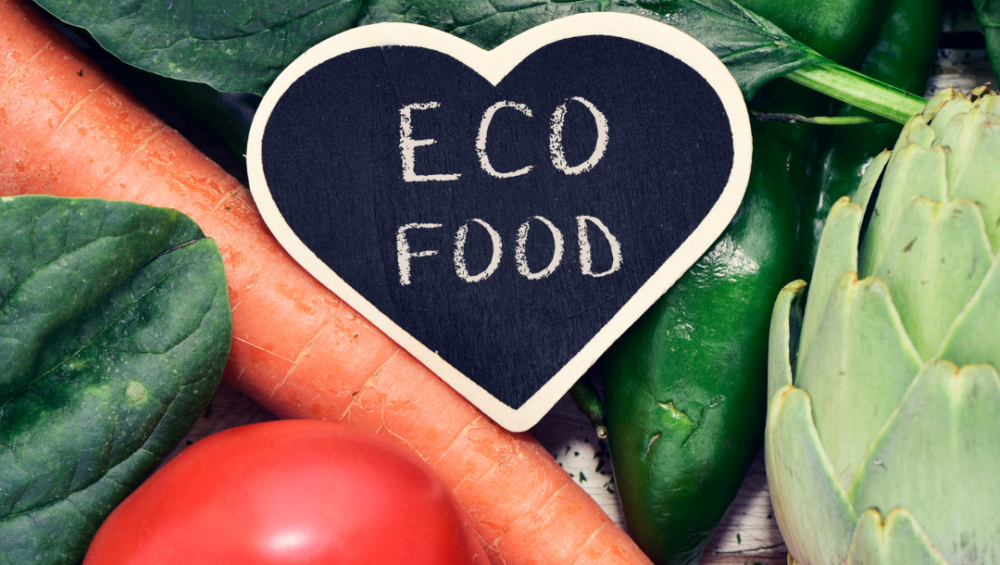
Is organic food just a fashion trend, or is it truly a healthier alternative to conventional food? This question takes on particular importance in the context of cancer prevention and nutrition during and after oncological treatment.
What does the research say?
In a large cohort study conducted in France (NutriNet-Santé), published in 2018, researchers followed nearly 69,000 adults (mostly women) for seven years. They found that those who regularly consumed organic food had a 25% lower risk of developing cancer compared to those who rarely ate it. The strongest association was found for postmenopausal breast cancer and lymphoma.
Possible mechanism – lower exposure to pesticides
One of the most likely explanations for these results is lower exposure to pesticides. The International Agency for Research on Cancer (IARC) classifies some of these pesticides—including glyphosate, malathion, and diazinon—as probable or possible carcinogens.
Studies show that after switching from a conventional to an organic diet, the concentration of pesticide metabolites in urine drops significantly, which suggests a real reduction in their burden on the body.
What is the difference between organic food?
Organic food is produced without the use of synthetic fertilizers and chemical pesticides. It is less likely to contain pesticide residues and is often characterized by higher levels of antioxidants, polyphenols, and vitamin C. Conventional products, on the other hand, may contain higher levels of nitrates, and in the case of animal-derived foods, also residues of antibiotics and growth hormones.
What do newer analyses say?
Despite promising results from observational studies, recent meta-analyses do not conclusively confirm that consuming organic food reduces overall cancer risk. A large systematic review found no significant differences in either overall risk or risk for specific types of cancer.
The difficulty in interpreting these results is that people who choose organic foods also tend to lead healthier lifestyles: they eat more fruits and vegetables, consume less alcohol and processed foods, and are more physically active. Separating the influence of the food itself from these factors is very difficult.
Conclusions
Organic food can be a conscious choice and part of a healthy diet, but there's currently no conclusive evidence that consuming it protects against cancer. If you can choose organic products, it's worth doing so because they reduce exposure to pesticides.
However, the most important thing is a holistic approach to health: a varied diet rich in vegetables and fruit, limiting processed foods and stimulants, regular physical activity and maintaining a healthy body weight.
***
Sources:
Association of Frequency of Organic Food Consumption With Cancer Risk. Findings From the NutriNet-Santé Prospective Cohort Study
https://jamanetwork.com/journals/jamainternalmedicine/fullarticle/2707948
Organic Foods for Cancer Prevention—Worth the Investment?
https://jamanetwork.com/journals/jamainternalmedicine/article-abstract/2707943#
The Level of Adherence to Organic Food Consumption and Risk of Cancer: A Systematic Review and Meta-Analysis
https://pmc.ncbi.nlm.nih.gov/articles/PMC11856173
***
Author: Joanna Niewolik
