

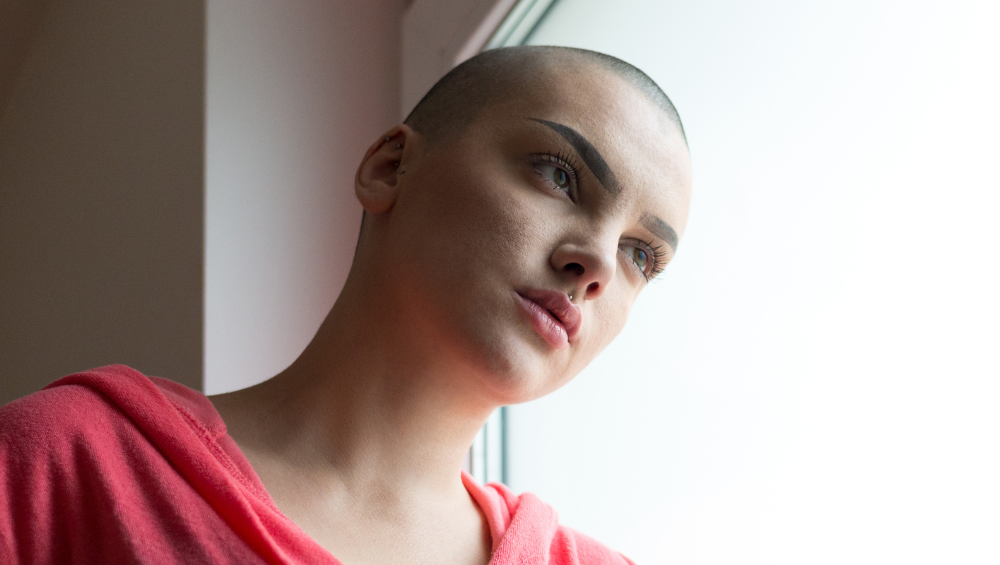
Some people, after diagnosis, quickly hear: "You're so brave," "I admire you," "I don't know where you get so much strength." Sometimes these words are truly powerful—they make you feel seen, appreciated, that your efforts aren't invisible. But sometimes these words also become a kind of role that's hard to escape. If everyone sees me as strong, surely I can't fall apart? If I'm the one who calms children, supports my partner, protects parents from anxiety, organizes treatment, responds to messages, and even says, "I can do it," where is there room for me in all of this? For my emotions, for my thoughts?
In cancer, the patient is often not just someone who needs support—they can also be someone who supports others. They comfort their family after their own results. They tell their partner that "it'll be okay," even though they're not so sure themselves. They smile at their children so they won't be afraid or worried. They hide details from their parents because "Mommy can't handle it." They answer the phone, explain, reassure, and sometimes even joke to ease the tension. And while this may stem from love, care, and responsibility, it can be incredibly burdensome. Being brave can be okay, but not when it becomes a chore.
A cancer diagnosis is a crisis. Various emotions, low mood, and overwhelm arise. However, these emotions and states aren't always "seen on the surface." A person with cancer may appear "coping" from the outside, yet experience immense stress inside. And these people also bear a huge cost – the cost of "coping well." They arrive on time for treatment, remember recommendations, keep a checkup schedule, support loved ones, and appear very composed. Those around them may assume that "she's coping perfectly" or "he doesn't need talking because he's so resourceful and focused." However, efficient functioning doesn't preclude suffering. You can organize treatment and cry in the bathroom. You can joke during appointments and be afraid at night. You can say "everything's fine" because you don't have the energy to explain how much things aren't.
Many people with illness say, "I don't want them to worry." This phrase comes up very often. I don't want to worry my children, I don't want my husband to break down, I don't want my parents to cry. I don't want to be a burden. I don't want everyone to see me through the lens of my illness. Behind these words, there's usually care and love—but love that requires one person to constantly keep everything in check can become too costly. Protecting loved ones from every difficult emotion also has a flip side. Families often sense the tension anyway. Children see the change in tone, a partner notices the silence, and parents hear the exhaustion. When everyone tries to protect each other, the home can become very... lonely. Everyone is afraid, but no one wants to be the first to speak up.
And it's not about flooding each other with emotions. It's also not about telling children everything, unfiltered and inappropriately age-appropriate. It's about the truth, delivered in a safe way – the ability to say: "I'm having a hard time today," "I need to rest," "I don't have the energy to comfort right now," "I want you to hug me.".
It's important to distinguish between being brave and carrying the burden alone. Strength might mean going for a checkup even though I'm afraid, asking the doctor questions, telling loved ones what I need, allowing myself to cry, asking for help. Carrying the burden alone is something else. It's the belief that I have to be calm for everyone else, that my grief is too much for others, that if I fall apart once, everything will collapse—that my needs can (or must) wait because the family's emotions are more important now. And yet, a sick person also has the right to care. Even if they are a parent, even if others have become accustomed to their ability to cope. Illness doesn't take away adulthood, agency, or dignity, but it can make a person need more tenderness, presence, and relief. This isn't regression, and it's not weakness. It's an appropriate response to a truly difficult situation.
The cost of being brave often appears silently. Conversation fatigue can set in. Then irritation at having to answer everyone's questions. Then guilt at not having patience for loved ones. Sleep problems, body tension, tearfulness, and withdrawal can arise. Sometimes the patient says, "I don't know why I'm so angry; everyone means well," or, "I have a wonderful family, I shouldn't complain." But gratitude and overwhelm can coexist—you can love your loved ones and be tired of being their emotional command center. And loved ones don't need reassurances—sometimes they need more of an invitation to genuine connection. A partner may not want to be protected from everything. An adult child may want to help, not just be told "it's not necessary." A parent may cry, but that doesn't mean the person with the illness has done something wrong by telling the truth. Tears from loved ones don't need to be stopped immediately—they're a natural response to love, fear, and helplessness.
In practice, it's worth starting small. You don't have to tell everyone everything at once. You can choose one trusted person and tell them a little more than usual. You can arrange for someone close to you, not the person with the illness, to inform the entire family about each test result. You can ask that the questions "How are you feeling?" not be asked ten times a day, but that there be space for a calm conversation when the patient feels strong enough. You can say, "I don't need advice today. I need you to sit next to me." These are simple messages, but they can often be very relieving.
Remember, too, that you have the right to feel whatever you feel. When you're sick, you can have days full of hope and days full of fear. You can be planning a vacation one day and dreading another test the next. You can laugh over coffee and cry in the evening. This isn't a contradiction—it's the human psyche trying to navigate a situation that alters your sense of security.
If tension, sadness, anxiety, insomnia, or a sense of overload persist and begin to interfere with daily functioning, it's worth seeking professional support. Not because "things are really bad" or "someone's not coping." Rather, it's because you don't have to handle everything alone. You don't have to be brave, you don't have to be brave all the time. You don't have to calm everyone down first and then focus on yourself. You don't have to be an "easy patient," a "strong mom," a "brave wife," a "calm daughter" all the time. You can be a person with illness. A person who sometimes has strength and sometimes doesn't. A person who supports others but also needs support themselves. And that's okay.
True strength isn't always a smile, composure, and "I can do this." Sometimes it's also saying, "I can't do this today," sometimes crying in front of someone you trust, sometimes canceling a conversation you don't have the time for. Sometimes it's asking for help with everyday life: dinner, transportation, calling the clinic, being there in the waiting room.
Being brave doesn't have to mean being alone. It can mean accepting that, even in illness, a person still has the right to be "whole"—strong and fragile, calm and frightened, supportive and needy. And that none of these parts deprives them of their dignity. On the contrary, only together do they create a true picture of a person facing something difficult and not having to do it alone.
***
Author: Katarzyna Binkiewicz, M.A.
