
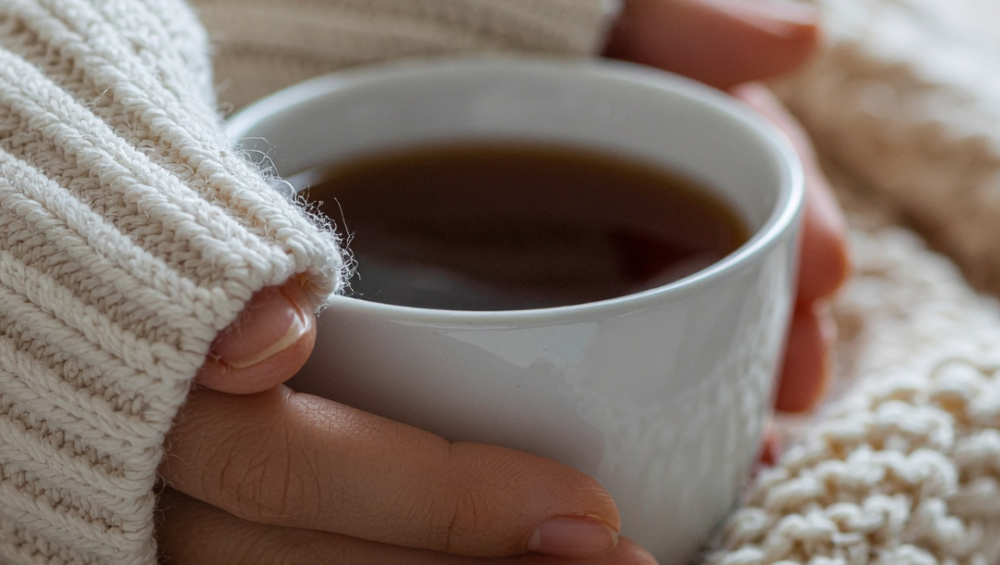
In the context of the approaching holidays, we often talk about rituals – those yearly routines related to preparation and celebration. Sometimes they are universal and well-known, and sometimes they are very specific to a specific region, family, or even a single person. It's these rituals that create the festive atmosphere: the smells from the kitchen, favorite flavors, songs playing in the background, the same tablecloth pulled out of the closet every year. And something else – they can act like a warm blanket for memories. Sometimes, just one memory is enough to feel better, more secure.
What exactly are rituals?y?
Psychologists define ritual as a predetermined sequence of symbolic actions, often characterized by formality and repetitiveness, that serves no immediate practical purpose. In other words, a ritual is more than just a routine. It consists of actions performed in a specific order, has symbolic meaning for us, and does not necessarily have to make practical sense.
Why are rituals so important to us?
Rituals change the way we look at everyday life. They make us feel more nurtured, calmer, and sometimes even special. Many of them stem from the values, traditions, or religions in which we were raised.
But rituals do something even more: they help us embrace uncertainty and reduce anxiety. They introduce predictability where life can be chaotic. Scientists say rituals are a "buffer against uncertainty and tension"—they convince our brains that the world has some order, rhythm, and consistency.
As researcher Michael Norton of Harvard Business School notes, "We see in every culture—and throughout history—that people who perform rituals say they feel better." This applies to both religious or folk rituals and completely private, family rituals.
The power of rituals in everyday life
Rituals are one of the most important ways we organize and mark time. They tell us: "this is morning," "this is evening," "this is our Friday," "this is the holiday season." They provide solace through regularity, strengthen our sense of agency, and at the same time remain flexible—helping us navigate change, crises, and difficult life stages.
In moments of loss or grief, they can be especially supportive. They bring a sense of meaning, allow us to process our emotions, and strengthen bonds with those we love. They work similarly in stressful situations and breakthroughs, such as exams, the first day at a new job, a wedding, or the birth of a child – giving us a modicum of stability and agency when everything else seems new and uncertain.
Families create rituals, but it's equally true that rituals create families. They build a shared language, a sense of closeness and belonging, and a "map of memories" to which we return throughout our lives.
These shared, group rituals—exercising, singing, or dancing—strengthen relationships and create a sense of being part of something larger. And these individual, small, individual rituals, unique to us, act as a stabilizing balm during difficult times. When implemented consciously and regularly, they help increase mindfulness, improve well-being, and strengthen self-esteem.
How to introduce rituals without adding to the burdenaboutIn?
Here's the good news: you don't need a weekend off or a new schedule. The key is to examine the routines you already have and ask yourself: How can I deepen these moments that will happen anyway? Sometimes, all it takes is a little intentionality.
Below are some inspirations:
⚛︎ Morning meditation
A few minutes of silence right after waking up can work wonders. Sit comfortably, close your eyes, and focus on your breathing. It's a good way to ground yourself, reduce stress, and start your day more peacefully.
⚛︎ Gratitude Journal
In the evening, write down three things you're grateful for. It's the little things that really count: a warm cup of tea, a good conversation, a moment of peace. This ritual shifts your perspective and gently brings the day to a close.
⚛︎ Walks in nature
Even a short walk in the park, among the trees, helps clear your head, improves your mood and strengthens your body.
⚛︎ Family weekend cooking
Cooking can be more than just a chore. Try treating it like a ritual: choose a family recipe, invite your family over, and cook together slowly and mindfully. Then, savor the meal.
⚛︎ Reading with children
It's one of the simplest rituals of closeness and peace. A shared story, a favorite book, a few pages read before bed—it acts as a soothing balm after a long day.
⚛︎ Evening tea with reflection
Make some tea, sit for a moment, and think: What was good today? What did I learn? What do I want to leave behind? It's a small ritual that can beautifully organize emotions.
Another Christmas is just around the corner. Holiday rituals remind us that life isn't just about tasks to check off. It's also about the smell of gingerbread in the kitchen, lit candles, a favorite song you listen to every year, or watching "Home Alone" with your family. They're worth cherishing—and creating your own. Because rituals aren't a luxury. They're a way to truly be present in your life.
Sources:
The Power of Rituals in Life, Death, and Business
https://www.library.hbs.edu/working-knowledge/the-power-of-rituals-in-life-death-and-business
The Hidden Powers of Everyday Ritual
https://thereader.mitpress.mit.edu/the-hidden-powers-of-everyday-rituals
The surprising power of daily rituals
https://www.bbc.com/future/article/20210914-how-rituals-help-us-to-deal-with-uncertainty-and-stress
***
Author: Joanna Niewolik